Takeo Province, Cambodia;
This morning, in rotation from the gardening, it was my turn to participate in some cleaning. Every morning the classrooms needed sweeping, the bathroom needed mopping and the kitchen needed a good once over. As soon as these chores were finished we had a little spare time before the kids arrived in which to read, or reflect, plan some lessons or activities, or use the Internet.
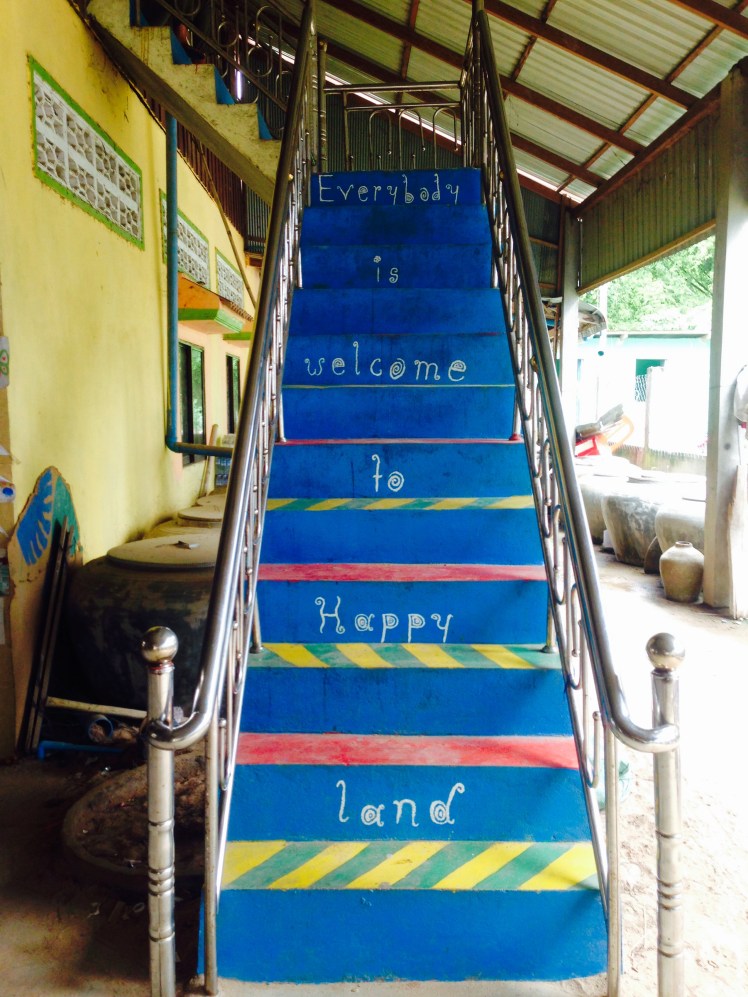
Now, you may be thinking, “Use the Internet, that sounds normal. That sounds like it shouldn’t be a luxury.” Well it was. There was no wifi or fibre optic or dial-up at Happyland, and unless you had a Cambodian SIM card with pre-loaded data (of which I didn’t) then you were resigned to the depths of a life without connection to a globalised world; a regression back to a time when the Internet was a new sensation and wasn’t so readily available – think circa 1996.
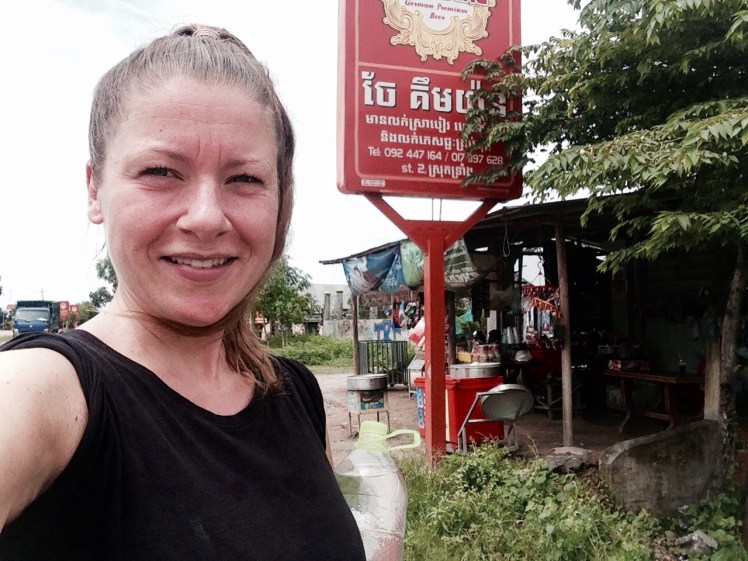
Nowhere in the village really had wifi – no homes, no shops; but there was one saving grace: There was one place I could go to kill some brain cells on mind-numbing, pointless scrolls through Facebook; a place I ran to in anticipation to find out whether I’d received any longed-for WhatsApp messages or had any missed calls (turns out I’m not that popular, nobody loves me, and Facebook is boring anyway); it was the Internet cafe. Now I know you’re envisioning some kind of hi-tech, state of the art cafe with air conditioning, bean bags, chic decor, and the finest fair trade Colombian and Kenyan blends. And I know you’re imagining it to be full of computers, with people milling about ordering double shot decaf lattes while reading the Cambodian Times. And you’d be wrong. Very wrong.
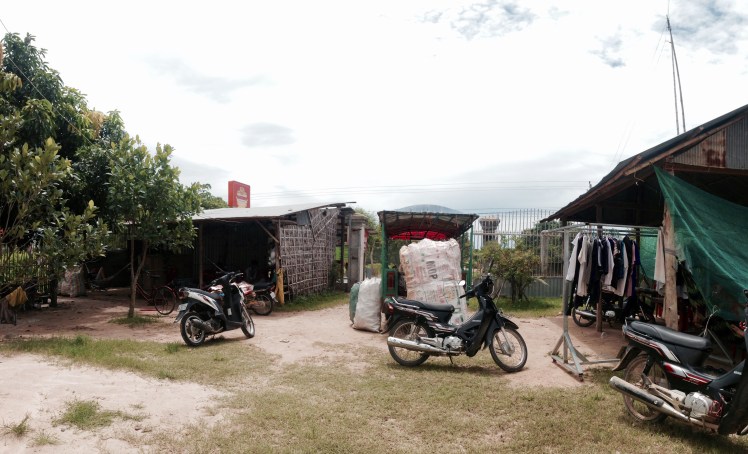
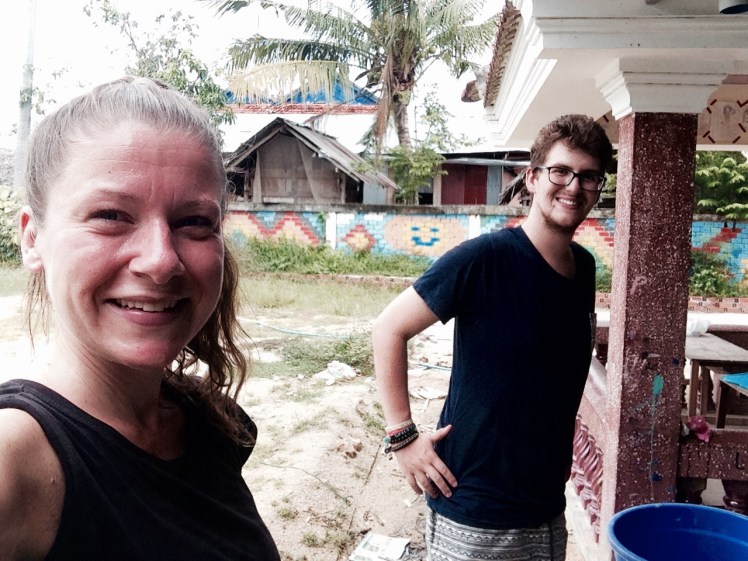
Takeo Province, and particularly the village we were volunteering in, is one of the poorest in Cambodia and ‘the wifi cafe’ (as it affectionately became known) is not a cafe in the way you or I would think of a cafe, but is more like an outdoor shop; a couple of trestles and a food cart set up at the side of the road in front of a house, with chairs and tables and hammocks. It sells noodles and coffee, coke and beer and chocolates, and luckily for me, it had a pretty decent connection. All the teenagers and younger adults from the surrounding villages and farms hang out there – setting up their battered laptops and using their phones to listen to music, play games or do homework. And they gaggle together like school kids, laughing and joking; and they love seeing new ‘white’ faces sitting across from them. It was all very basic; but it was all very real – it was real to the community, it was their ‘Starbucks’ or ‘Costa’, and it was the only way I could really connect to the outside world.
Trying to update my blog, catch up on world news, and do some forward planning for my trip to Bali, I let myself get lost and frustrated in the digital world for a while and resurfaced just as the rain came on. And that was it then, it was pretty much rain for rest of the day. When it rains, the number of kids that come to Happyland can change. More children from the immediate neighbourhood flock through the gates, but less of the older kids come – mainly because they live further away and have to cycle. So it was the younger ones that we had to occupy today.
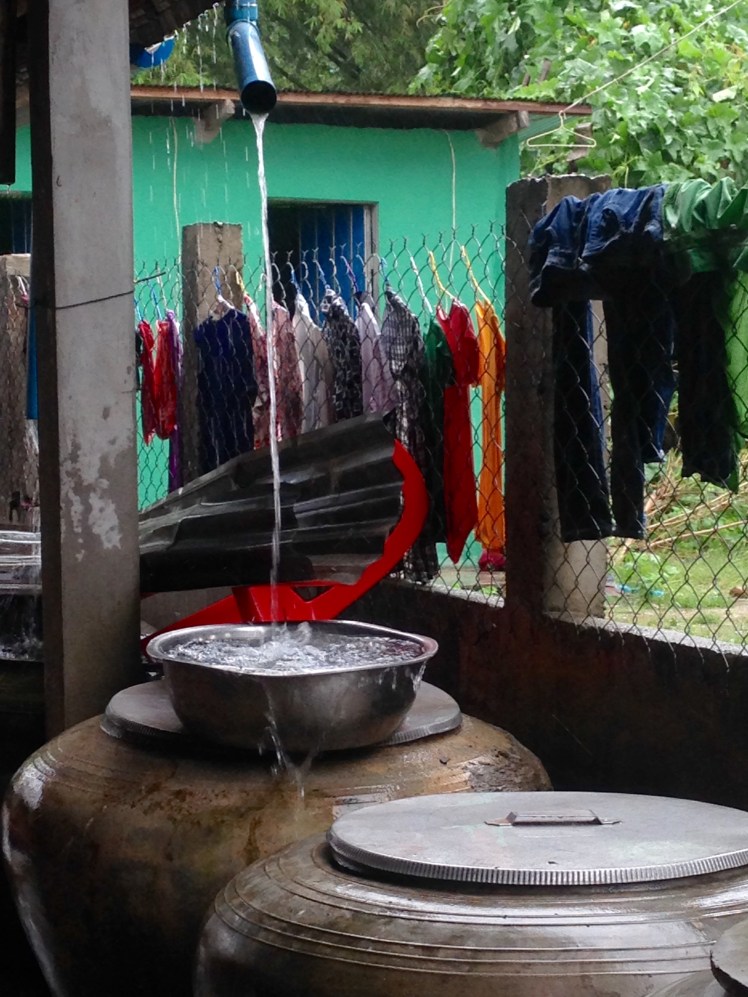
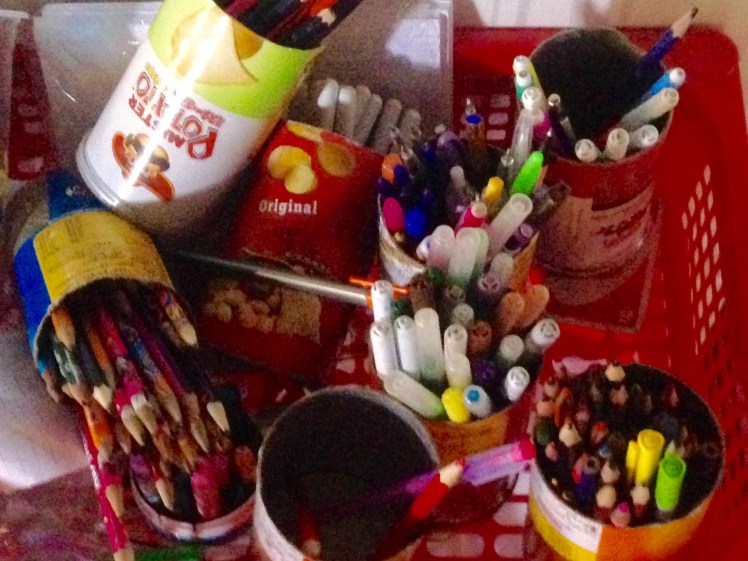
Yesterday the rain had made the kids crazy (chhkout), and their insane energy levels had zapped most of us of ours, so today, with more heavy rain pelting the tin roofs, we tried a different approach to just rough and tumble play; we used classroom tactics to try and help them concentrate and focus on one activity, to try and create a little bit of structure for them – we tried arts and crafts. And boy did it work: cue bracelet making from cotton and yarn; bag making attempts from old clothes and paper; colouring and paper aeroplane crafting; drawing and writing. It was wonderful. And the kids seemed to be really engrossed in what they were doing, asking us for help if they needed it, and even giving us lessons on how to make bracelets. But what I found to be most beneficial was the resurfacing of my inner child – my creative inner child. I recalled all the times I’d made cardboard houses and garages and hair salons out of old boxes and toilet roll tubes while at my Gran’s; I remembered all the times I’d made friendship bracelets with my brother and cousins while at my Nan’s house (turns out I hadn’t lost the knack and could remember exactly how to make a friendship bracelet); and I got a sense of pure nostalgia as I remembered what life was like before phones and internet and technology – when creativity made me happy, when creativity was the portal to the wild imagination.

What did niggle at me just a little though (as my competitive creative side reemerged) was the fact the kids were better than me – they were quicker, more creative, more imaginative, and just generally better than I was at all of the things we were doing. They picked instructions up rapidly, they folded and bender paper simply to make the most beautiful things; they wielded scissors and glue around like fairy dust, and their drawings were incredible: I was gobsmacked.

Some of the children had real talent; with some it shone through immediately and automatically, but with others it needed coaxing out. And even though we were doing arts and crafts, we could tell there were a multitude of things the children could easily turn their hands to – their abilities simmering in a melting pot of creativity. There were kids with singing abilities, kids with really humorous natures, kids with great focus and concentration abilities, boisterous kids, kids who were caring, artistic kids, kids who were really good with their hands, kids who loved football and enjoyed skipping, kids who were excellent at boxing (as I found out when I almost got a right hook to the face following an improvised padding session with one of the boys), and kids who were so far advanced in their academia and English grammar skills that they made me look positively stupid.
These kids had potential. Real fucking potential. And I felt we really made a breakthrough with some of them today. They were beginning to soften to us. They were beginning to trust us. And it was great to see some individuality shining through. It was just a shame we would have to leave…and I hoped in my heart, I really and truly hoped, that there’d be some more volunteers after us who would not only continue the good work but would allow the children and their talents to flourish.

 Chasing Amy-Lou