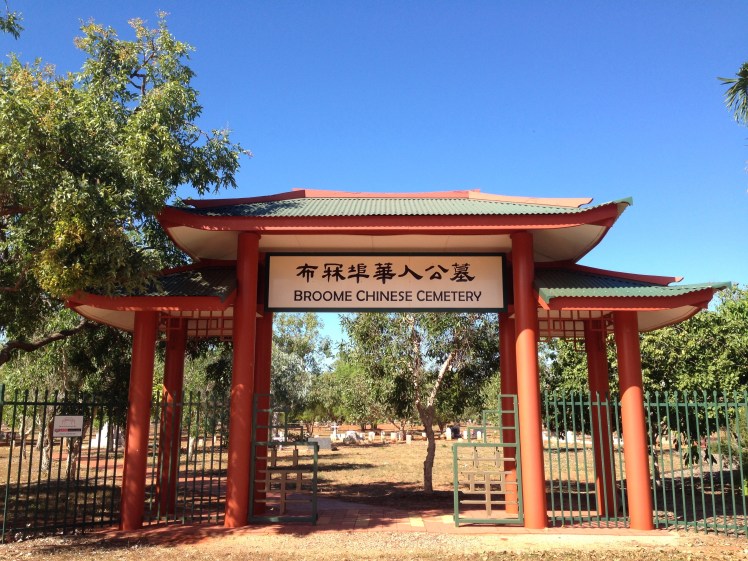
When I first arrived in Broome in March 2017, I was ignorantly unaware of the importance this little town played in the growth and development of modern Australia. Unique in its setting, miles from nowhere – miles from anywhere – it could be mistaken for just another coastal town in WA. But Broome is far from that, it is industrious and stable, strong and defiant, and is as prominent a place as any of its East Coast counterparts, and just as worthy of a visit.
From its infamous past as a pearling town – which helped develop the economics of the area and controversially provided jobs for Japanese immigrants – to its fundamental roles in the Great War and subsequently World War II some twenty odd years later, Broome has a colourful history that is reflected in the multiculturalism it presents today. The community spirit is high in Broome and the history well worth a delve into.
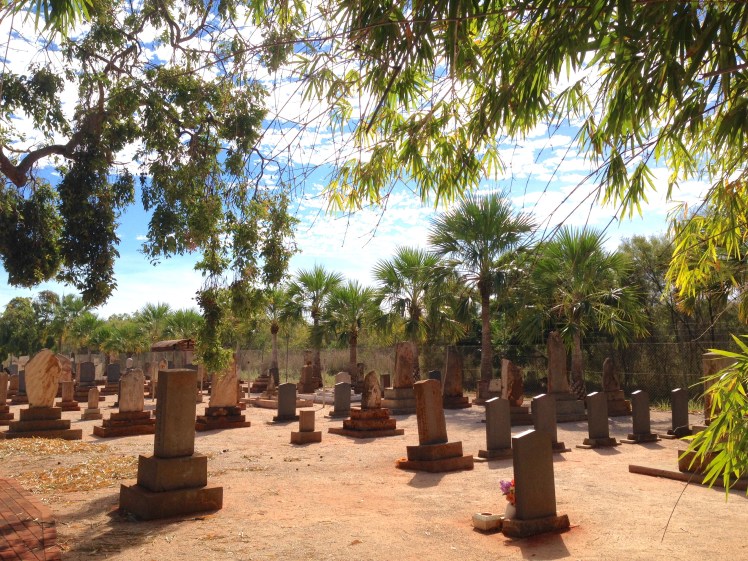
So it was while on a long overdue exploration of the well known tourist hotspots (including the Historical Museum, Gantheaume Point and of course, Cable Beach) that I found myself at Broome Cemetery. I’d been privy to the popularity of the cemetery as a place of note among tourists and travellers, and was pleasantly surprised at the layout and amiability of it. Unlike the cold and drab cemeteries you come across in the UK, where slabs of grey slate lie as headstones, devoid of soul, eerie and scary, Broome cemetery seemed different, a place where history, love and friendship resided…
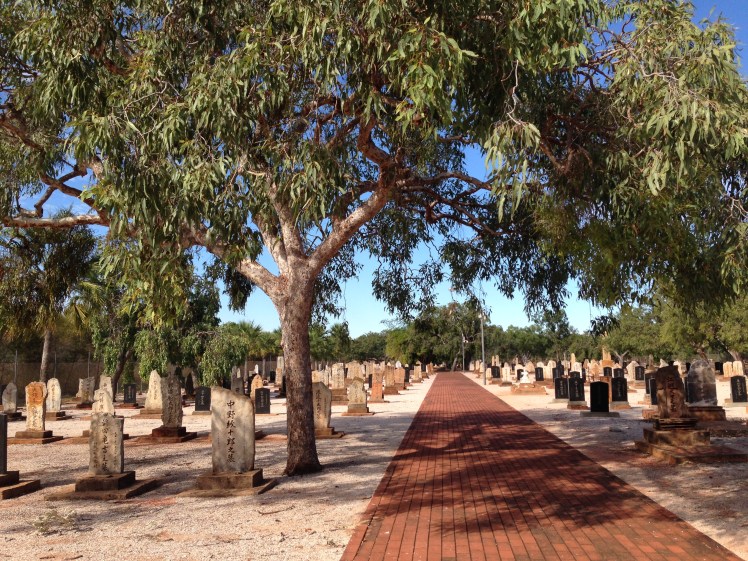
“Chinese, Japanese, Muslim, Malay, a place of solitude where they all can lay; at peace, at rest, covered by trees, where sun hits headstones, leaves rustle in the breeze.
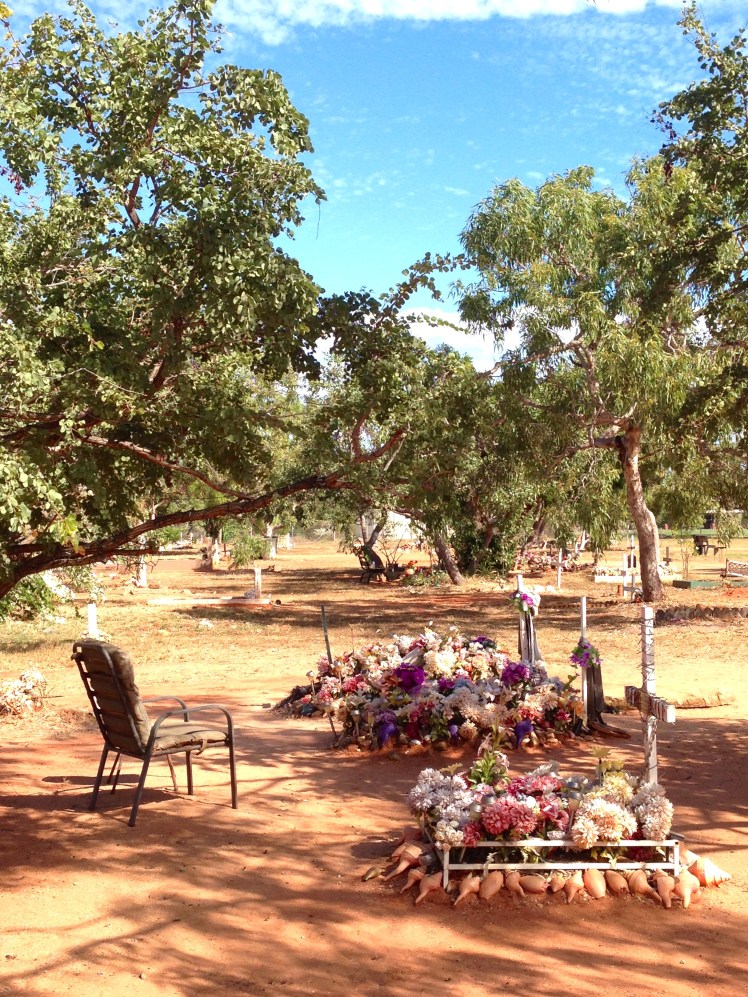
A place of colour, of light, no sound; a place to pray and lay flowers on ground. A place not scary nor frighteningly cold, a place that’s calm and serene and old.
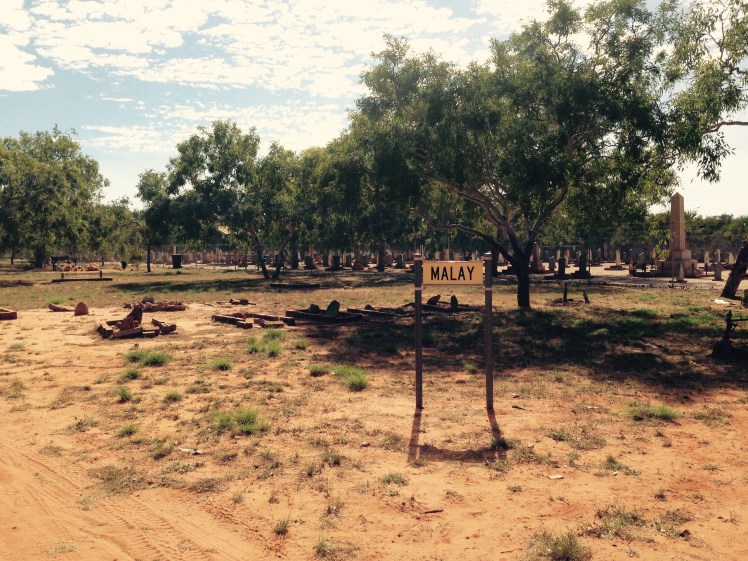
A place to find solace while chatting to those passed; a place to pull up a chair on the dirt or grass.

A place where cultures come together, segregated still, but maybe it’s better. A place where differences are startlingly real, a place to appreciate the souls now healed.
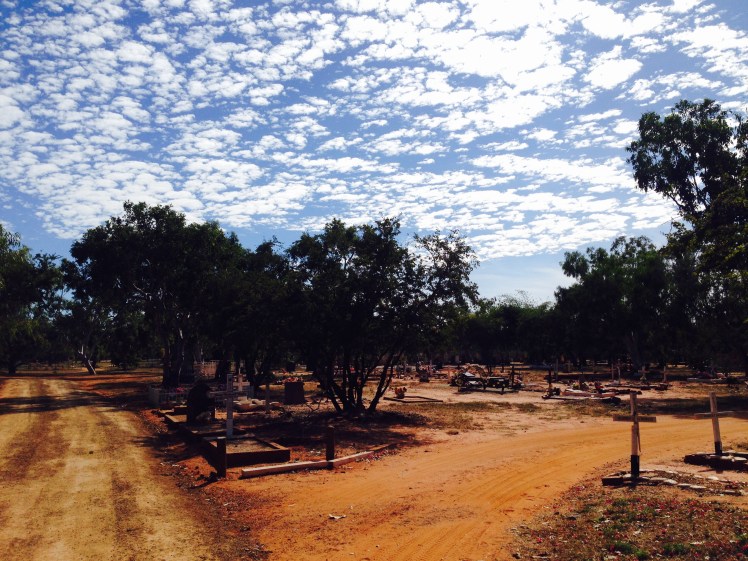
A place where hatred can no longer grow, a place eerily beautiful, it seems thus so. The the birds they hover and flit to and fro, but like all graveyards…the ravens still crow.”
 Chasing Amy-Lou