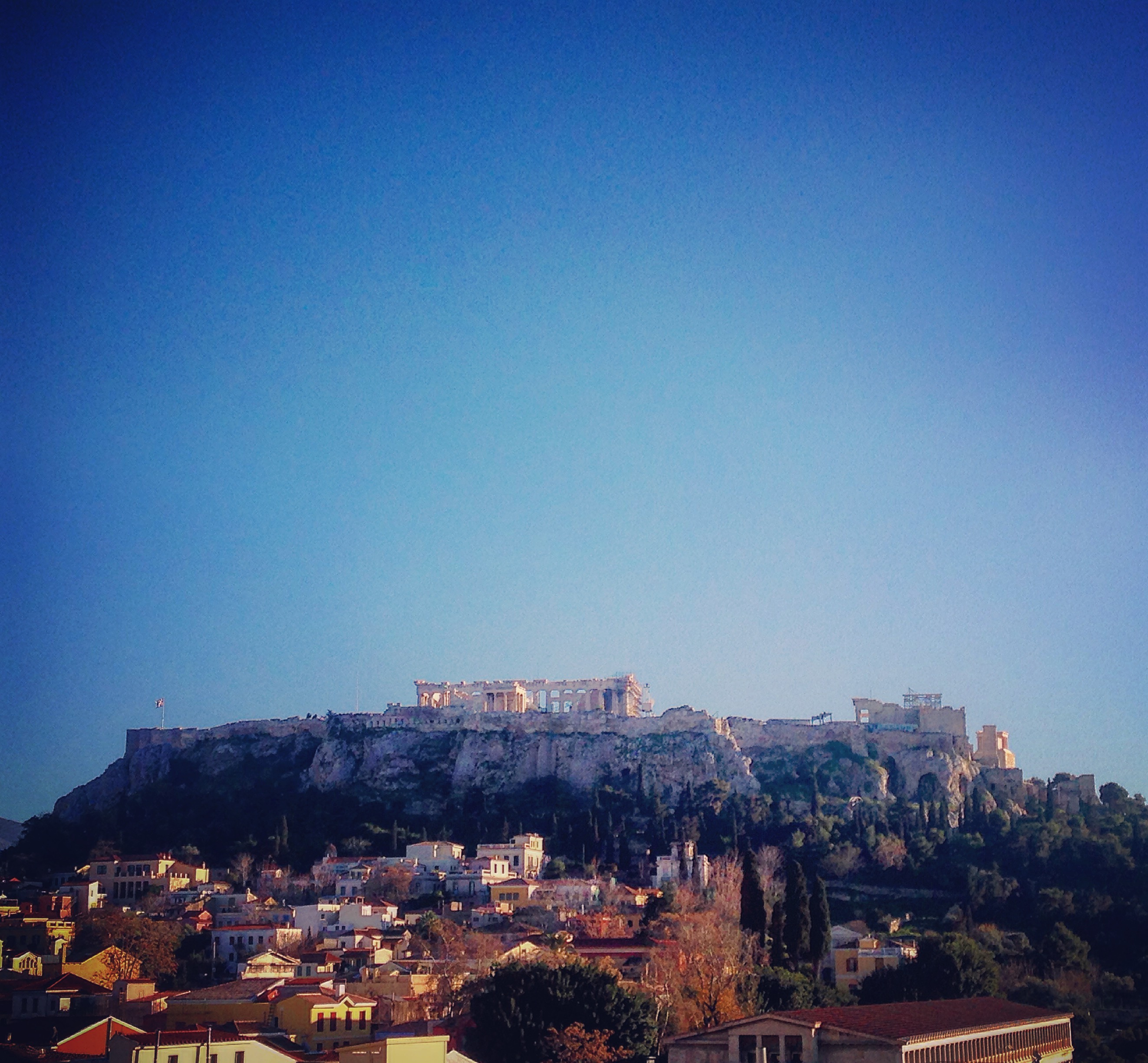
Athens, Attica, Athena: one of the great historical cities of the world. A place where Zeus laid his temple, where myths and legends were formed; where the Olympic Games originated; where food and drink go hand in hand with lifestyle and culture. In Ancient Greek times the ruinous structures that dominated the landscape towered in glory and splendour; but now, the run-down, decaying architecture sits, waiting to be regenerated and injected with life against the backdrop of narrow streets littered with careless vandalism and poverty.
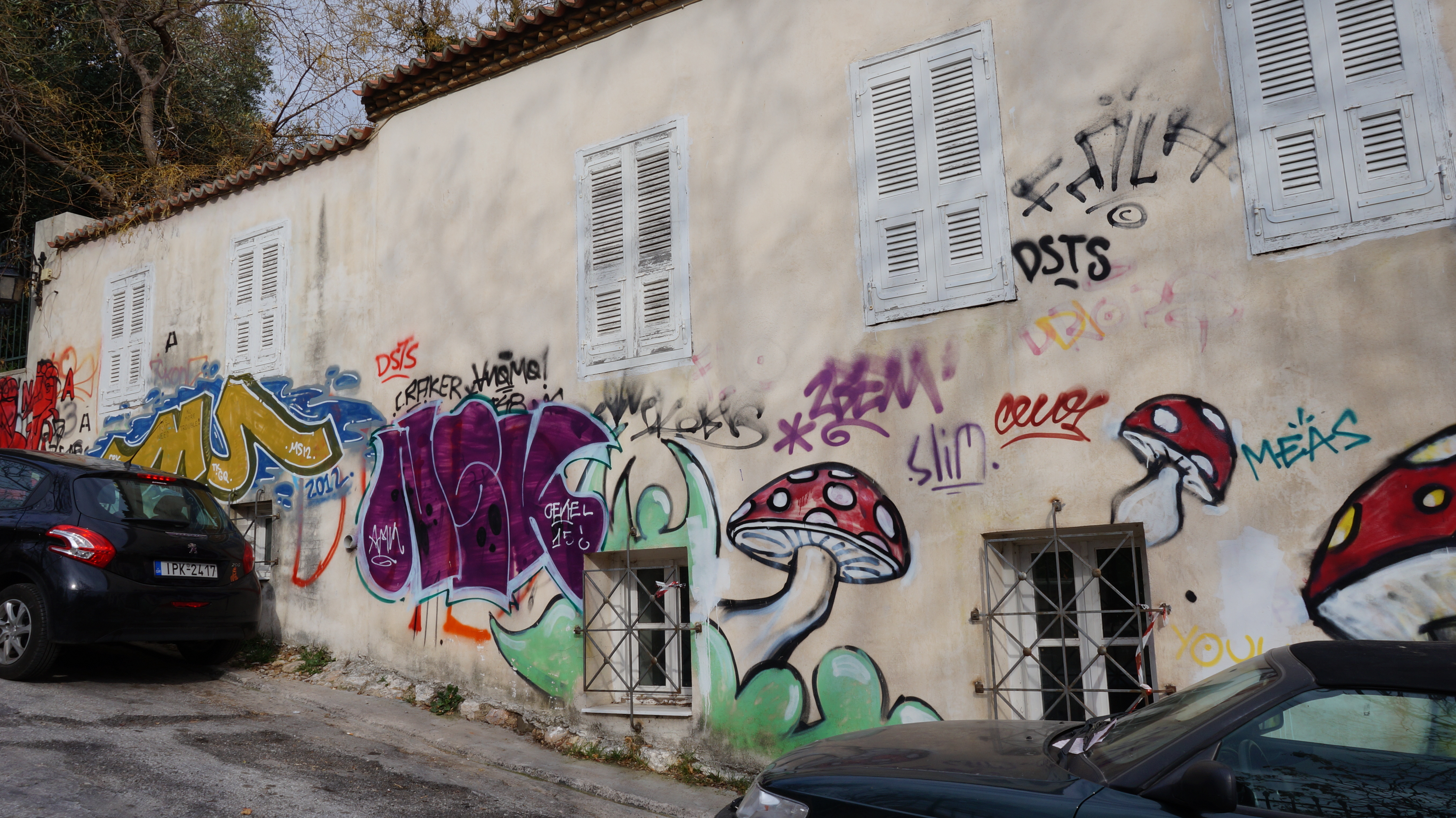
The stray cats and dogs that run wild throughout the city, spilling their pungent urine onto what should be beautiful, well kept relics; the stench of stale excrement all too present in modern day Athens, especially on the ascent up the giant-like Lycabettus Hill, and down many of the narrow lanes. Much like many capital cities though, Athens is not far different from Paris or Brussels or inner-city London; a discoverable beauty to behold, and on paper, an enticing foreign place that screams with sex appeal and intruige, but where the streets and lane-ways are spoiled by an inability to look after such beauty, and a wreckless abandon for cleanliness.

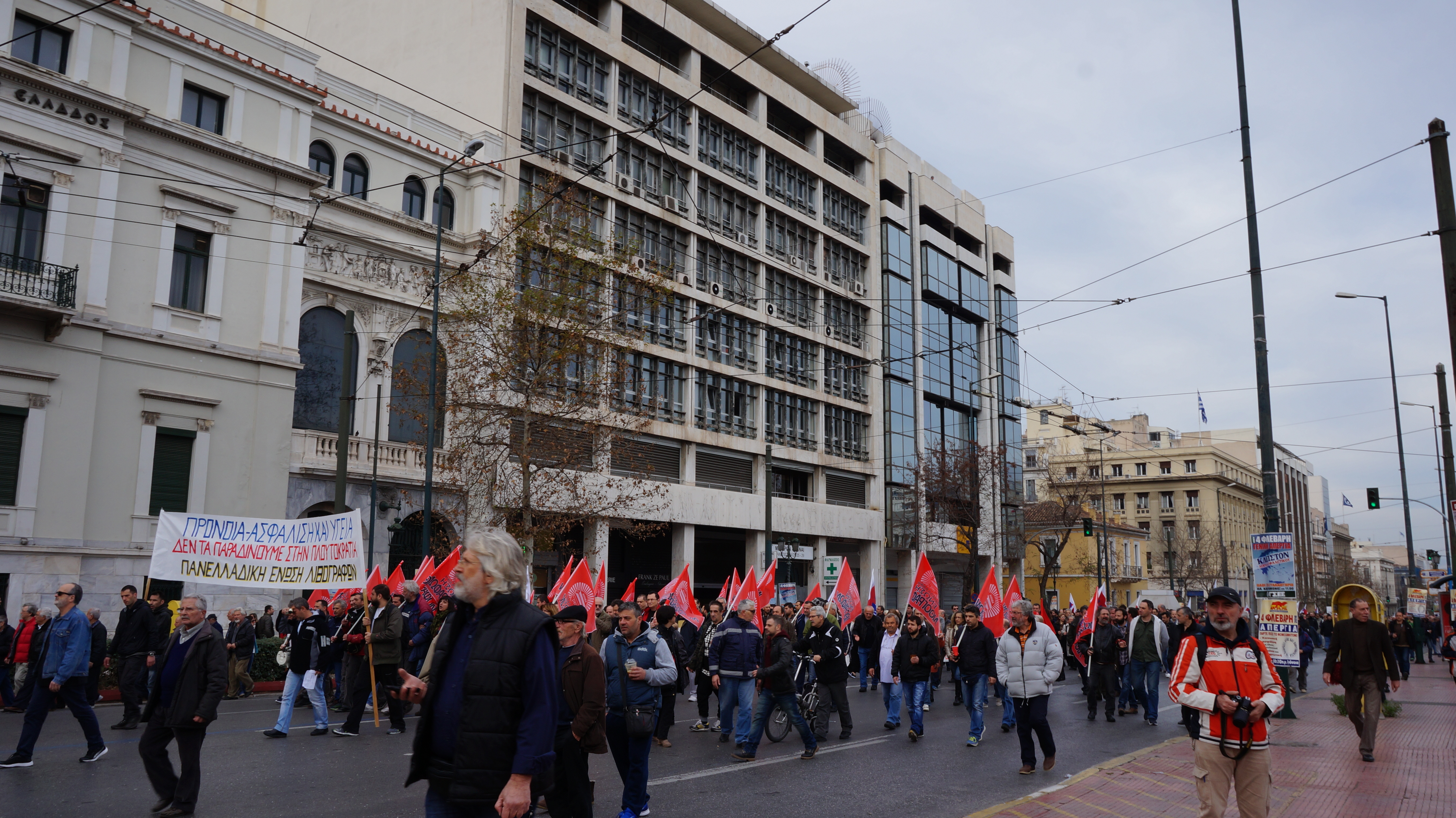
I was in Athens during the recent protests and the one day strike that brought all public services to a halt. And despite the relative silence in the city during the demos, the solitude a much welcomed break in the usual noise and chaos of the scooters and mopeds that adorn the streets; despite many shops being closed and despite the feeling of residential desertion, Athens still appeared to be juxtaposotionally busy, tired and drained. A city in need of a little vibrancy and colour, in need of a clean: in need of looking after.
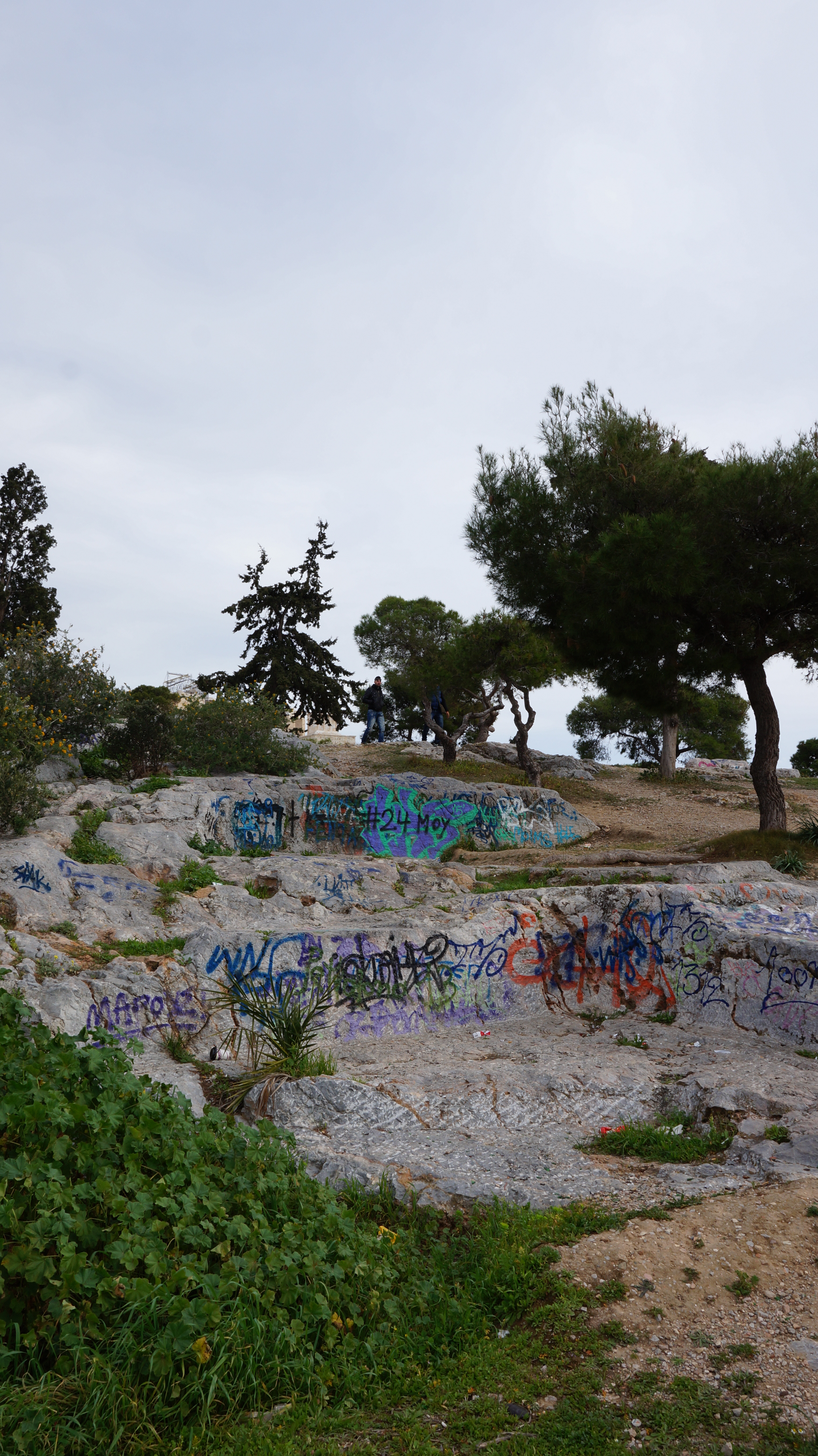
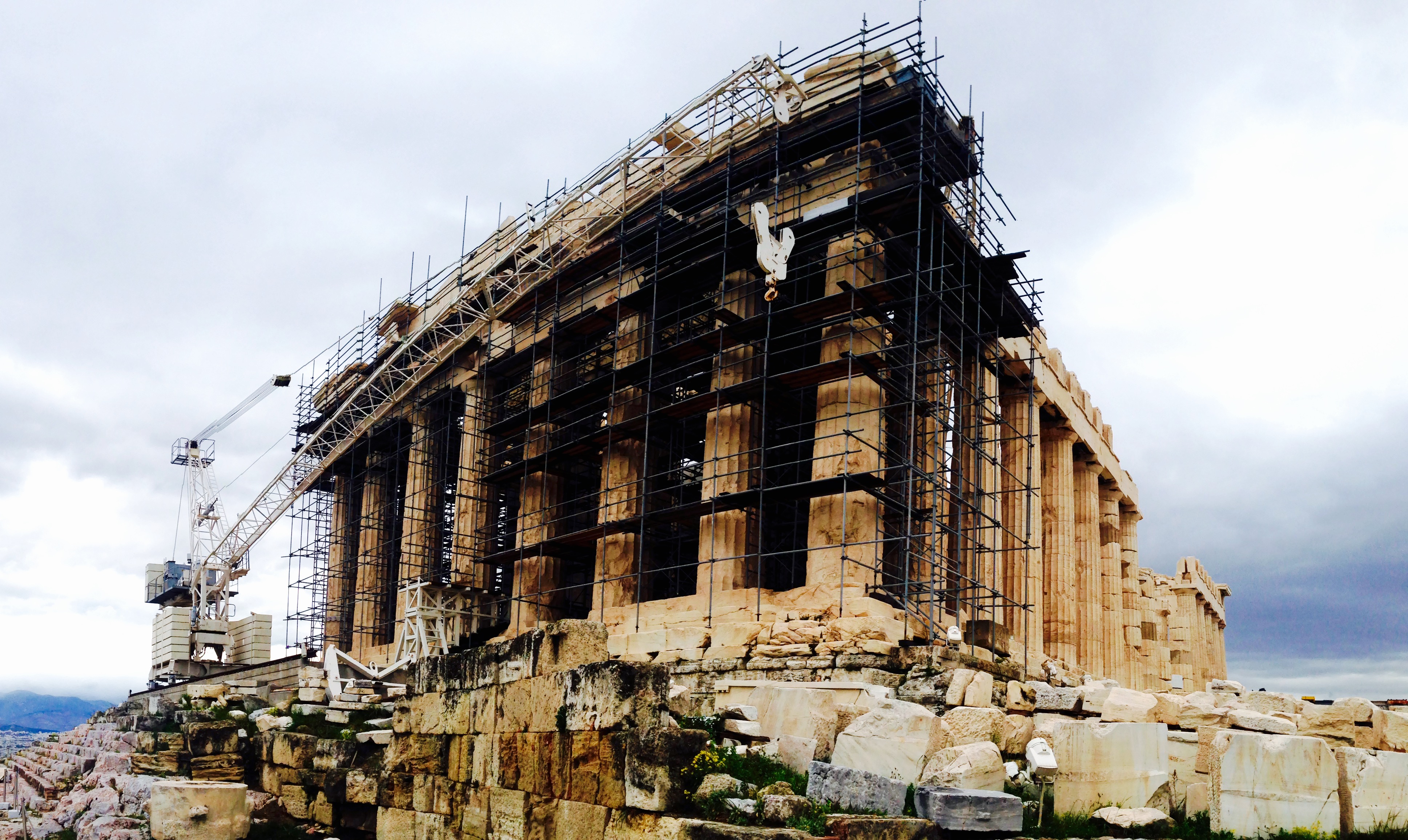
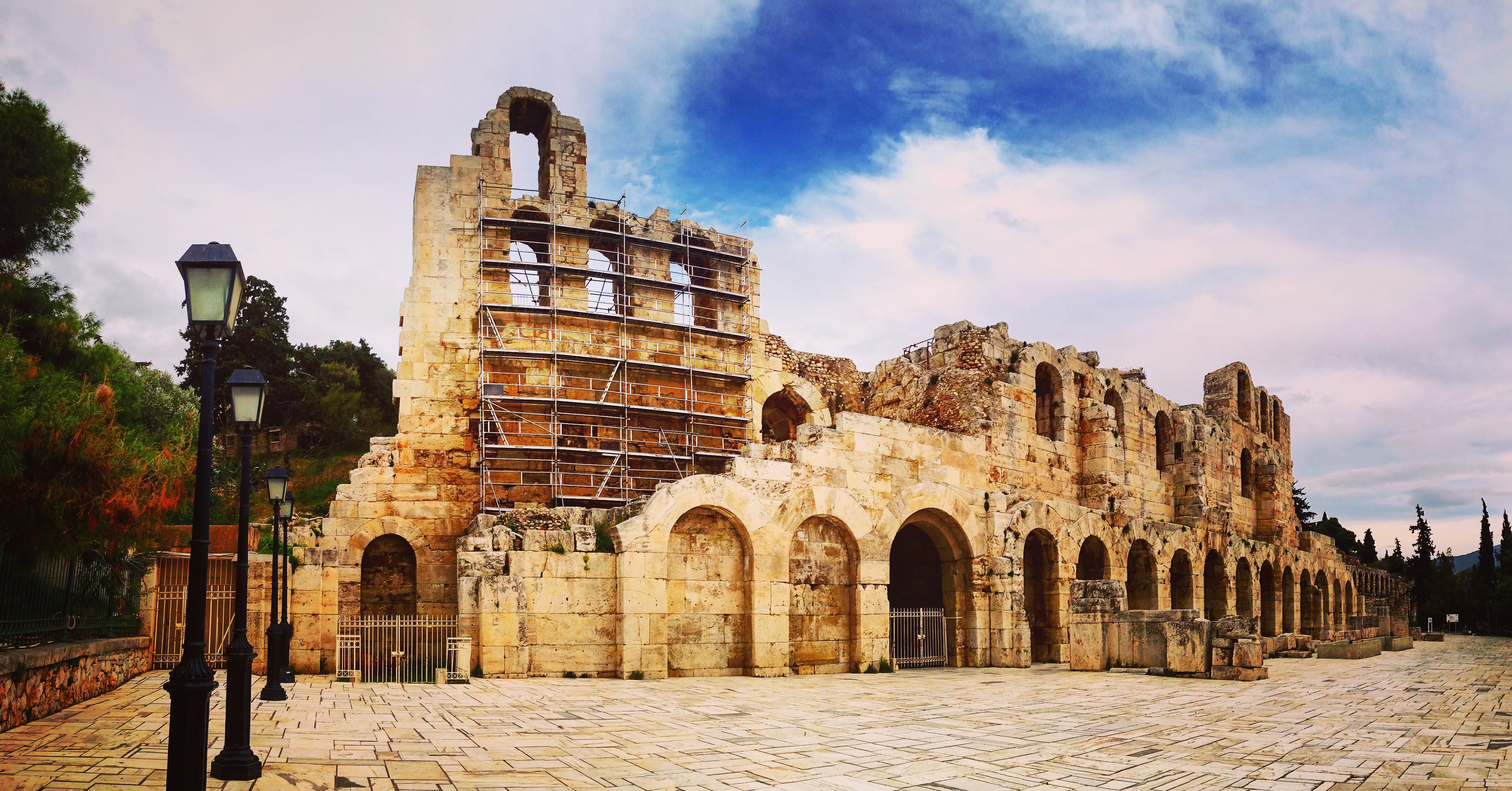
Although The Acropolis in all its magnificent grandeur, housing the Parthenon, Dionysos Theatre and the old Temple of Athena was a site to behold, and the many heritage sites that spread across the city of Athens – Hadrian’s Arch and The Temple of Zeus; the Temple of Hephaistos and the Agia Marina; the Kerameikos Archaelogical site and the Mitropolis (cathedral) – were wonderful and to see close up – truly something special – the scaffolding that surrounded and engulfed many of the structures, there for preservation and restoration purposes, was off-putting and took away some of the shine that should’ve beamed so naturally from such incredible ruins. The graffiti was a big problem too; in fact, a huge problem and one I couldn’t not notice (even the stone steps on the hill of the acropolis are tainted in sloppy spray painted graphics). And it wasn’t decent graffiti either – it was graffiti for the sake of graffiti; it was a far cry from the street art on Berlin’s East Side Gallery, for example.
But perhaps that’s what made Athens so authentic and unique; while maybe not as welcoming as I felt Barcelona, Copenhagen or Melbourne to be, and not as diverse as Berlin or London, it was a tad rugged; old and worn out. Maybe the time of year had made me feel initially hasty, and perhaps the dullness of the sky on the day I penned this made for a quick assumption. And although I felt Athens to be a little underwhelming at first, I knew it had potential…it had just been neglected, and I just needed to give it a chance.
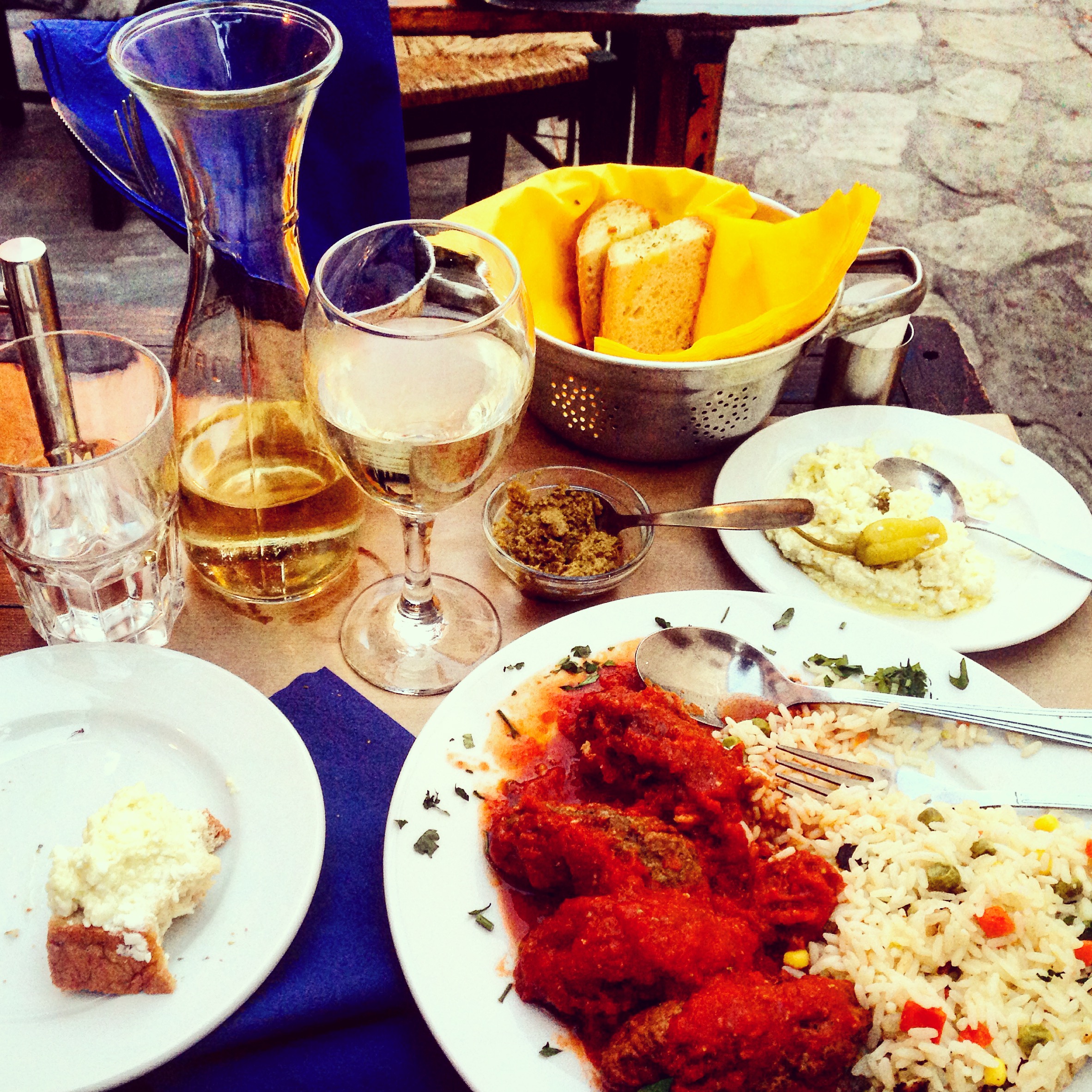
Once I’d gotten over the smell of stray cat urine, and the fact that my feline friends preferred to pro-create in public while I ate my evening meal as opposed to finding the nearest skip to dive behind; once I’d gotten over the insane amount of homeless people sleeping rough (it’s the same in any major city, unfortunately), and once I’d come to terms with the horrifically sporadic and meaningless tagging and terrible, terrible graffiti; walking through the Plaka, Psyrri and Kolonaki areas I found lane-ways and hidden cafes, cute restaurants and tavernas, that sat in contrast to the old monuments and ancient structures they surrounded; brimming bistros and cute little bespoke shops selling trinkets and art work, bustling with life and Greek tradition.
The vibe I picked up on was one that, underneath the city-like buzz, was pretty laid back, and that’s what I loved…it was Greek after all, and still encompossed that Mediterranean aspect of living – the sense of friendship and community was there – the groups of people congregating to enjoy coffee or food or wine together; and there was an altogether warming sense of history, of spectacle, as if you knew this was once a place of great importance – it was almost heartening. And once business had resumed to normal the day after the strike, the streets were filled with people again, the city centre shopping areas packed with young professionals going about their duties, traffic crawling its way along the roads, music playing in the public spaces and bustling squares; haggling and liaising taking place on the flea markets and stalls that led from Monastiraki Square, along Ifestou and Ermou and continuing down Adrianou and all the way up Ag.Asomaton to the foot of the Acropolis; all stall holders trying to attract the attention of eager tourists; it’s as if the city came alive the more I explored.
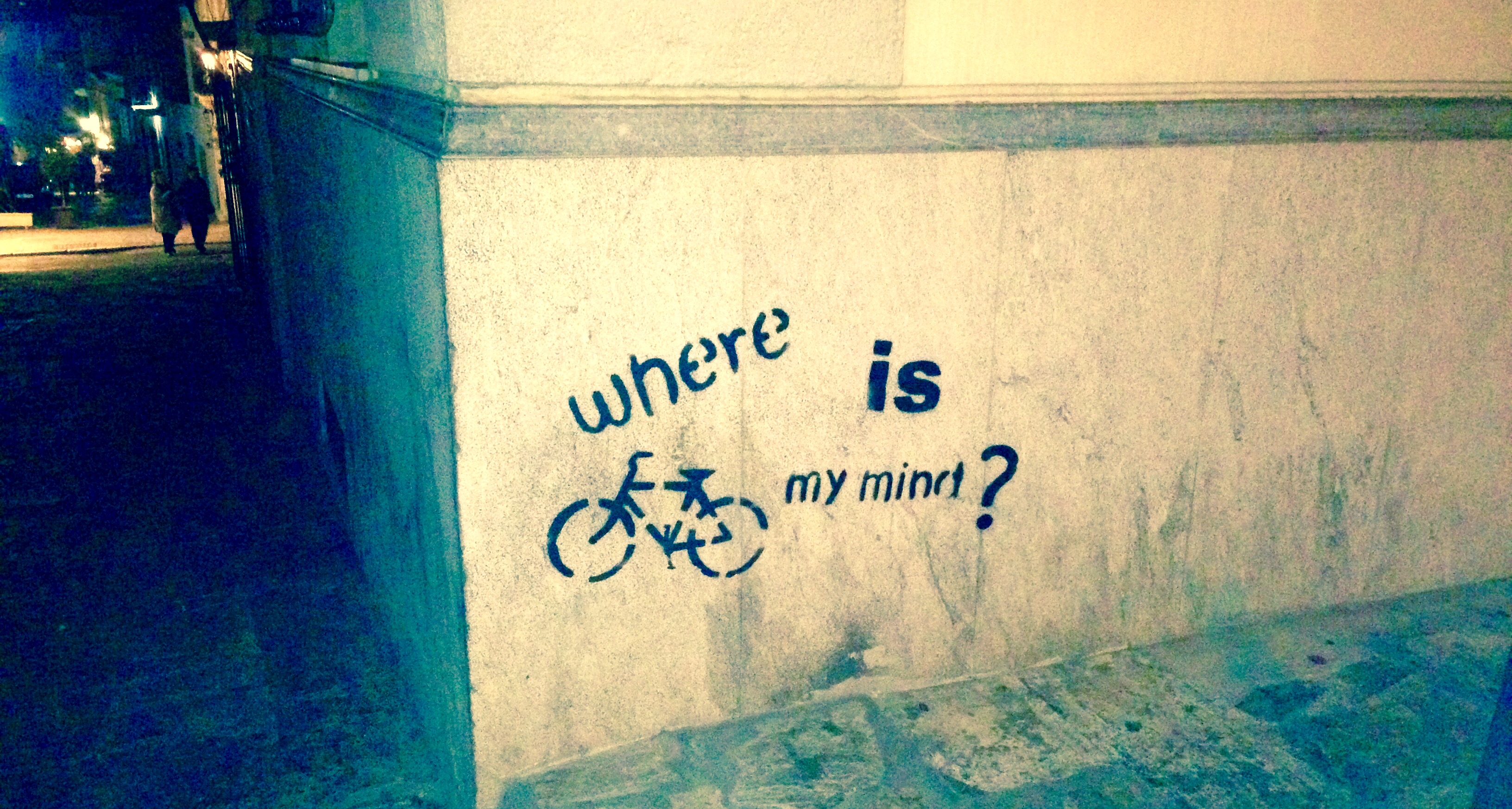
It’s only when I ventured out of the touristy areas, away from the main streets and ventured down the narrow back roads that I began to appreciate the true, unconventional beauty of Athens. The mindless vandalism and graffiti that showered every spare blank space of wall gave way to magnificent street art: art with meaning and art with soul. The alleys a canvass for creativity and expressionism. The houses looked, although not completely pleasant, inviting and lived-in, cleaner than initially perceived; they looked traditional and somewhat uniformed.

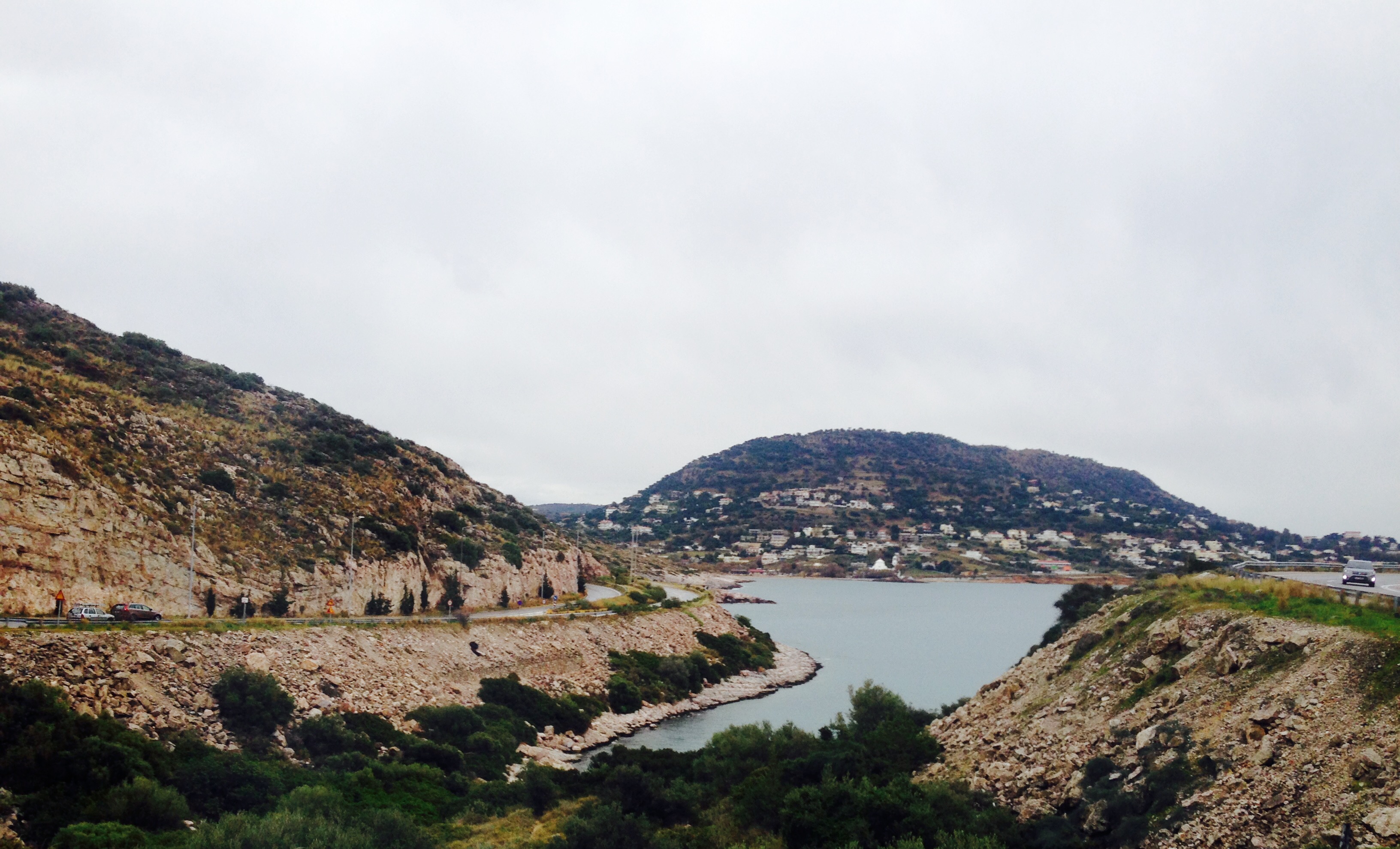
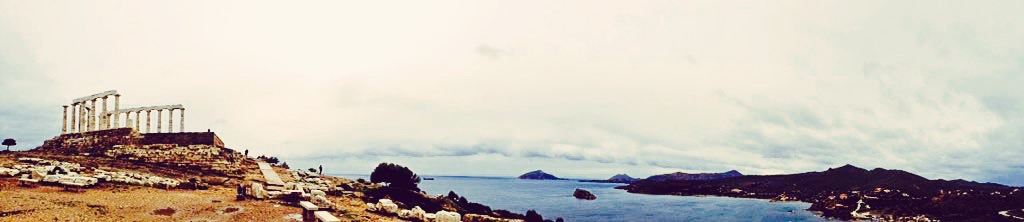
I visited Cape Sounio to see the Temple of Poseidon and seethed with longing and envy as the bus took me through coastal town after coastal town, abandoned-looking resorts giving way to that glorious view of the Aegean sea; a backdrop of beauty and rolling hills creating luscious landscapes for my admiration.
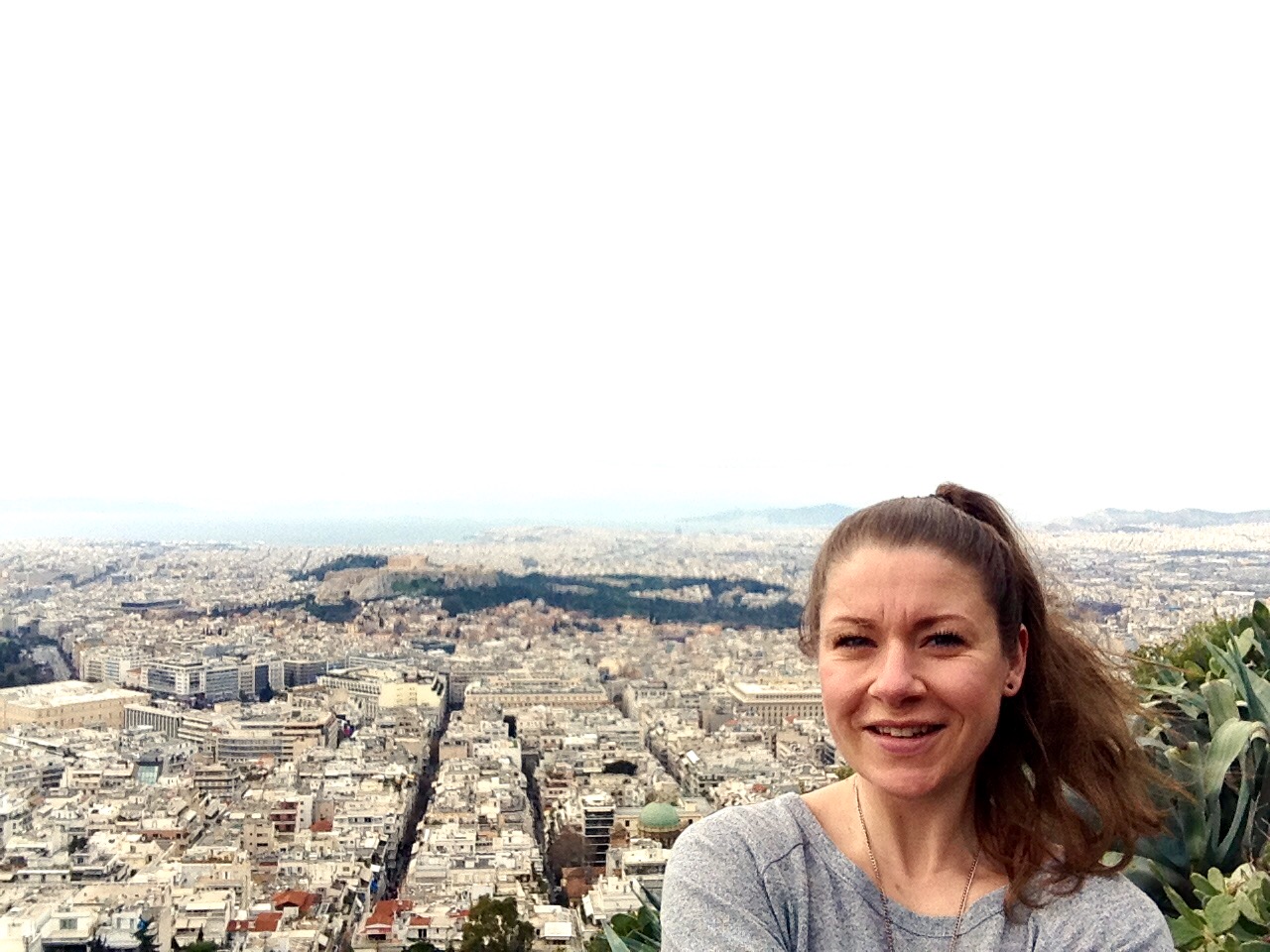
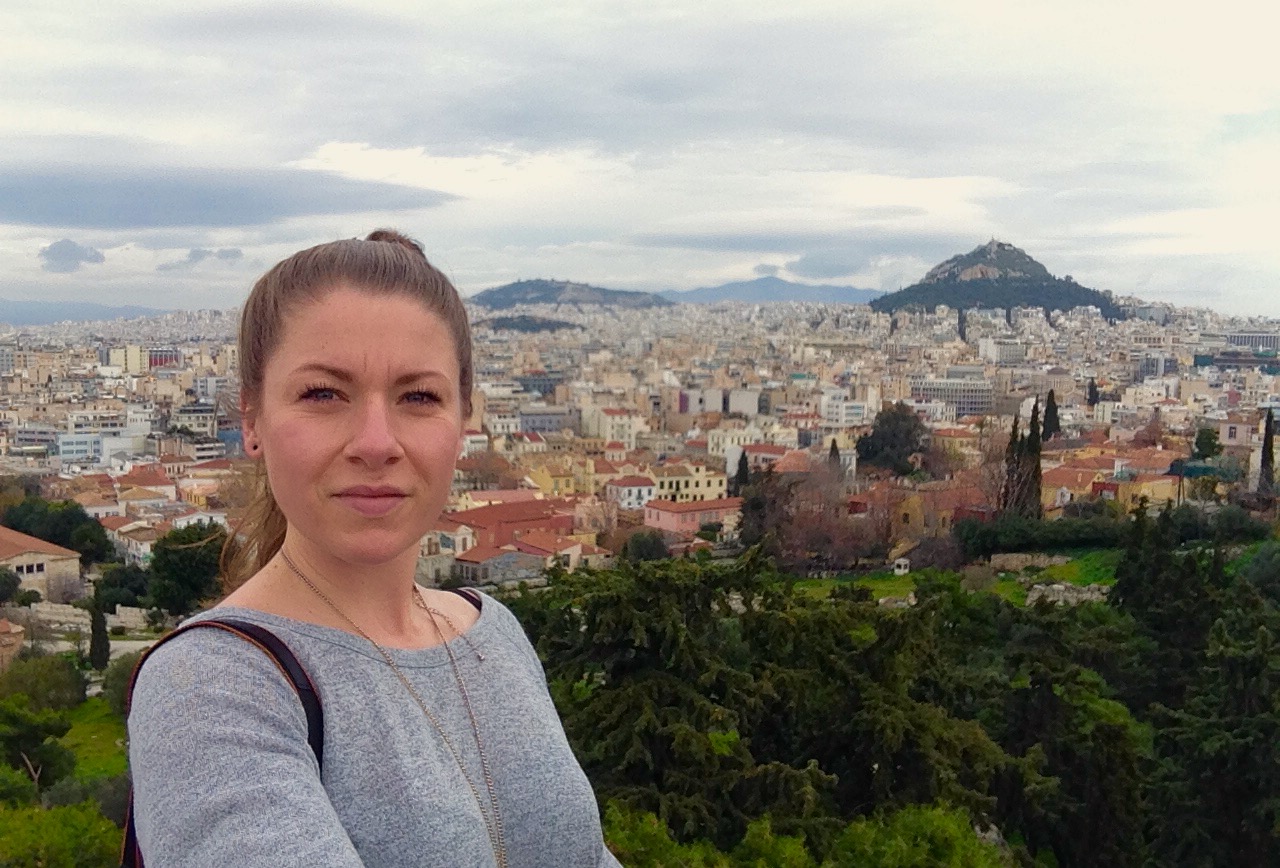
I climbed Filopappou Hill and marvelled at the ferociously impressive 360 degree view of the city – a glorious sight, and one that I inhaled for as long as the strong winds allowed me to stay on my feet. Sitting atop of this hill, away from my initial musings about the state of the streets, breathing in the whole of Athens, it genuinely took my breath away and it was at that precise moment, that moment of liberation from the dust and dirt, the freedom to soak in and appreciate the contrasting images of land and sea, ancient ruins and modern city life, that I didn’t want to leave the Greek capital; I felt I needed to give it more time, to find out what else this city had to offer. Alas, my time had almost come to an end and I felt my previous quick assumptions had tainted my initial feelings towards towards Athens.

Judging a place on first impressions can be dangerous; take the initial line of thought and you could miss out on a whole world of wonder and amazement. While Athens is a city that grew on me, and while admittedly it is dirty and it is in need of an injection of, well, ‘something’, it is holding on to tradition as tightly as it can and visitors need to bear with it; the ruins are something to marvel at; the museums are in abundance and are detailed and interesting; it is a city that is moving with the times while trying to remain stoically in the past; it’s in limbo economically, politically, socially and culturally, and it’s doing it’s damn hardest to maintain its beauty, passion and history. It’s pouring investment and money into preservation but is, unfortunately failing somewhere in the upkeep of the city itself – now whether that’s an educational problem, a demographic problem or a problem with social unrest and decline, I couldn’t possibly say for certain, but Athens is, by far, a city full of culture and intensity. It’s full of surprises and secret pleasantries; by seeking out the unknown and being prepared to wander off the beaten track, and by accepting the differences Athens presents when compared to other cities, it’s possibly one of the most intriguing places you’ll visit.
 Chasing Amy-Lou